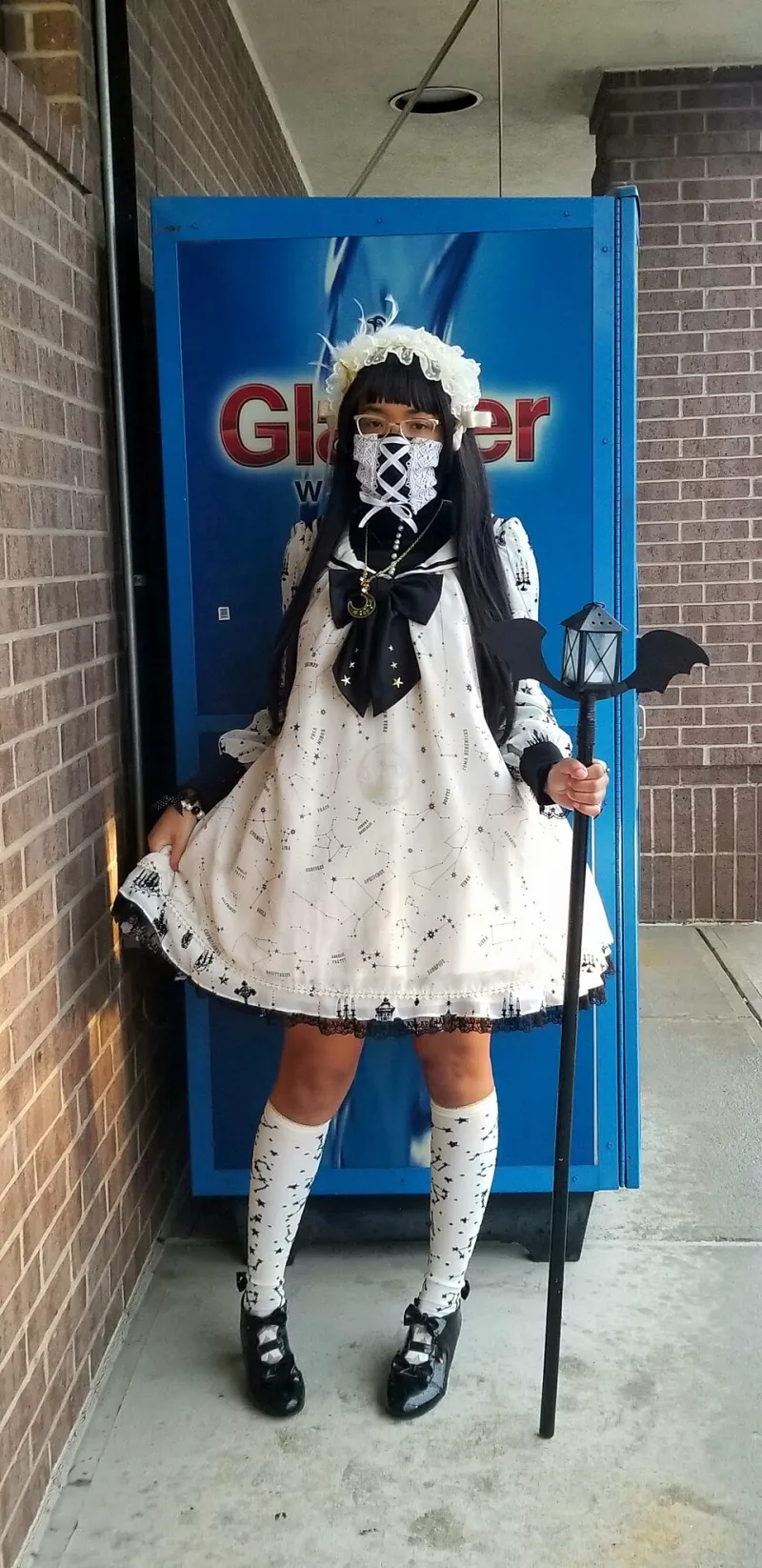
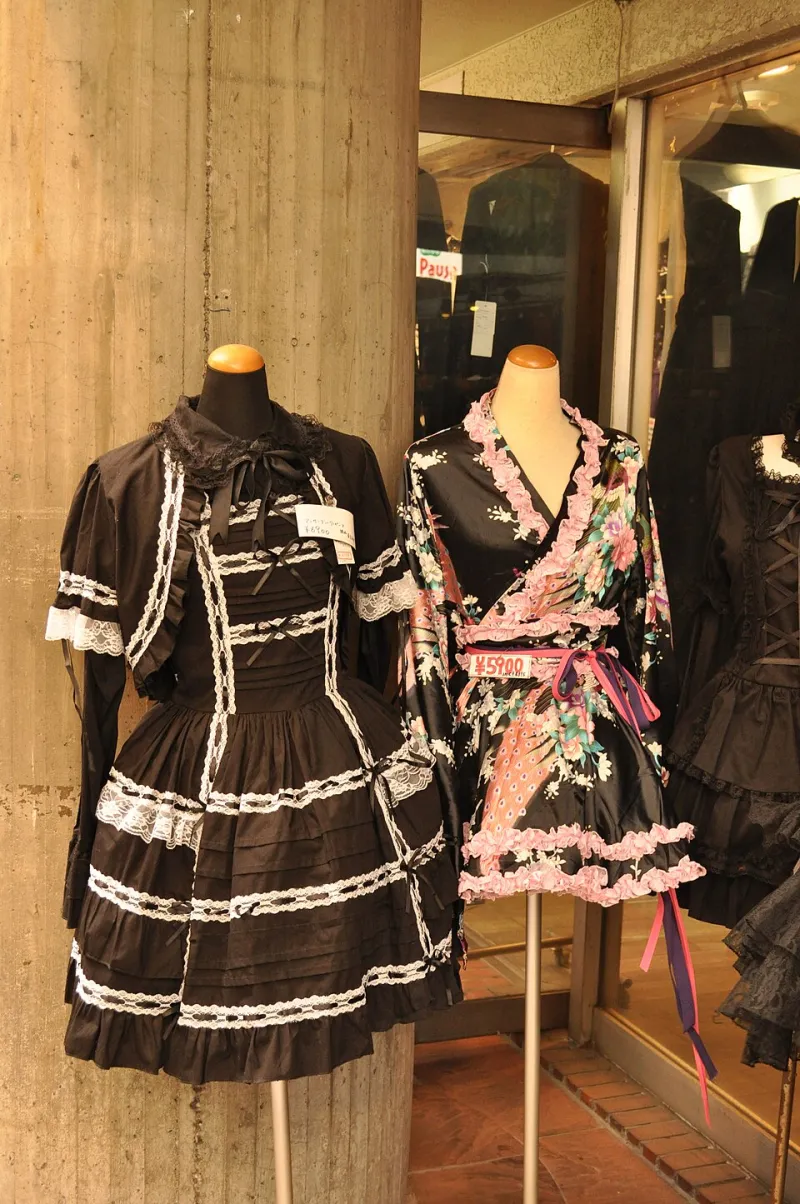
Secondhand Sorcery: A Thrifter's Field Guide to Finding Goth Loli Gold in Unexpected Places
Photo: Unknown authorUnknown author, CC0, via Wikimedia Commons
Anyone who's ever priced out a full Baby, the Stars Shine Bright coordinate knows the feeling: gorgeous, perfect, completely out of reach for a normal human paycheck. The good news? Some of the most compelling pieces in goth loli wardrobes across America didn't come from overseas boutiques. They came from Goodwill. From an estate sale in a Victorian neighborhood. From a Depop listing buried under seventeen pages of fast fashion.
Thrifting for goth loli is a skill. And like any skill, it gets better the more you practice it — and the more you know what you're actually looking for.
Shift How You're Thinking About "Goth Loli Pieces"
The first mindset adjustment is a big one: stop searching for goth loli and start searching for the components of goth loli.
You will almost never walk into a Salvation Army and find a Moitié op hanging on the rack. What you will find — if you know how to look — are the raw materials. Structured petticoats from bridesmaid dresses. Victorian-collar blouses in the formal wear section. Heavily embroidered velvet blazers. Floor-length skirts with enough volume to live under a lolita dress. Dark brocade fabric that can become almost anything.
The thrift store doesn't label things the way your brain does. Your job is to translate.
What to Actually Look For (and Where to Find It)
Structured skirts and petticoats: Head straight for the formal and bridal sections. Prom dresses from the late 90s and early 2000s are goldmines — they often have built-in crinoline layers, sweetheart necklines, and silhouettes that are shockingly close to classic lolita shapes. Cut the skirt away from a dated bodice and you've got a base layer worth celebrating.
Blouses: Look in the women's formal section for anything with a high neck, ruffled collar, or bishop sleeves. Vintage sections (where they exist) are especially good for this. White and ivory cotton blouses with pintucking or lace trim were absolutely a thing in the 70s and 80s, and they show up in thrift stores with regularity if you're patient.
Corsets and structured bodices: These are rarer but not impossible. Renaissance faire adjacent pieces, vintage Halloween costume corsets, and even some formal bodices can be cleaned up and incorporated into coordinates. Check the costume section, but also the formal wear — structured strapless bodices sometimes appear there.
Velvet, brocade, and lace: Fabric is your friend. Thrift stores often have curtains, tablecloths, and upholstery fabric that can be repurposed. A heavy velvet curtain in deep burgundy or forest green is basically a skirt waiting to happen. Lace curtain panels become overlay skirts, collar trim, or sleeve accents.
Accessories: This is where thrift stores genuinely shine. Cameos, lockets, pearl strands, brooch collections — estate sales especially tend to overflow with Victorian and Edwardian-inspired jewelry that fits goth loli perfectly. Spend time at the jewelry counter. It's worth it.
Regional Tips for US Thrifters
Where you live affects what you find, and it's worth being strategic.
The Northeast and Midwest — particularly older cities with established Victorian and Edwardian neighborhoods — tend to have richer estate sale pickings. Keep an eye on EstateSales.net and Estatesale.com for sales in older residential areas. Homes that have been in families for generations often contain formal wear and accessories from multiple eras.
The South has a strong culture of formal dressing that translates well for thrifters — church hats, formal gloves, and structured occasion wear show up in Southern thrift stores at higher rates than you might expect.
Major metro areas (New York, LA, Chicago, Seattle) have more competitive thrift scenes, but they also have higher donation volume. Rotating stock means more chances to find unusual pieces. Hit stores mid-week when new donations from the weekend have been processed.
College towns in the fall are underrated. Students clearing out before moving often donate formal wear, costumes, and clothes they bought for theater or themed events — exactly the weird, structured, dramatic pieces you're after.
Red Flags to Skip
Not everything that looks promising is worth your money. A few things to watch for:
- Synthetic fabrics that smell like they've been stored poorly — musty odors in polyester almost never come out fully, and the fabric itself often degrades.
- Broken boning in corsets — if the structure is compromised, the repair work is significant. Know your skill level before committing.
- Lace that's yellowed beyond what washing can fix — some discoloration is charming patina. Brittle, brown-toned lace that flakes when you touch it is just damage.
- Zippers and closures that are corroded or broken — replacing a zipper on a structured garment is doable but adds cost and labor to your "budget" find.
Upcycling Non-Goth Pieces: The Creative Part
This is where the real magic happens. A plain black midi skirt becomes a gothic lolita base when you add a petticoat underneath, swap the waistband for a ribbon tie, and layer a lace apron over the front. A boring Victorian-ish blouse becomes a coordinate anchor when you add a brooch at the collar and tuck it into a structured skirt.
Some quick upcycle ideas that work without advanced sewing skills:
- Add lace trim to the hem, cuffs, or collar of almost any blouse. Iron-on lace exists and is forgiving for beginners.
- Swap buttons on a plain jacket or coat for ornate vintage buttons — this single change dramatically shifts the formality and aesthetic of a piece.
- Cinch oversized pieces with a wide belt or ribbon tied at the waist to create the silhouette goth loli is known for.
- Layer, layer, layer. A plain black dress under a thrifted velvet blazer with a lace collar add-on is a full coordinate with minimal effort.
The Long Game
Thrifting for goth loli isn't a one-trip solution. It's a practice. You'll leave empty-handed sometimes. You'll find something incredible in a completely unexpected place other times — a vintage store in a small town, a Goodwill Boutique, a Facebook Marketplace listing from someone cleaning out their grandmother's closet.
The community is also a resource here. Local lolita and goth fashion groups often do clothing swaps, secondhand sales, and thrift trip meetups. Going with someone who knows what they're looking for cuts your learning curve significantly and makes the whole thing more fun.
Build your eye slowly. Celebrate the finds. And remember that every piece with a history brings something a brand-new garment simply can't — a story, a texture, a sense that your wardrobe was assembled with intention rather than just purchased.
That, honestly, is very goth loli of you.