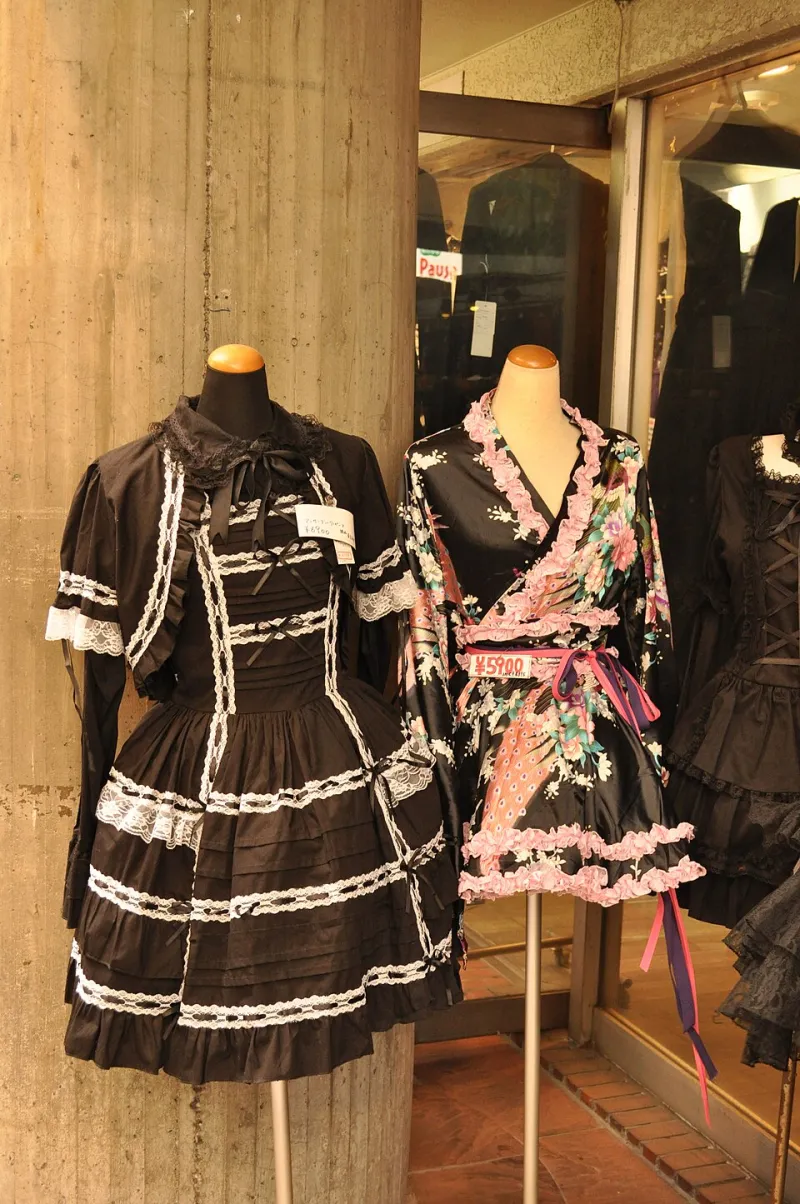
Frills From Nine to Five: Surviving the Corporate Dress Code Without Losing Your Soul
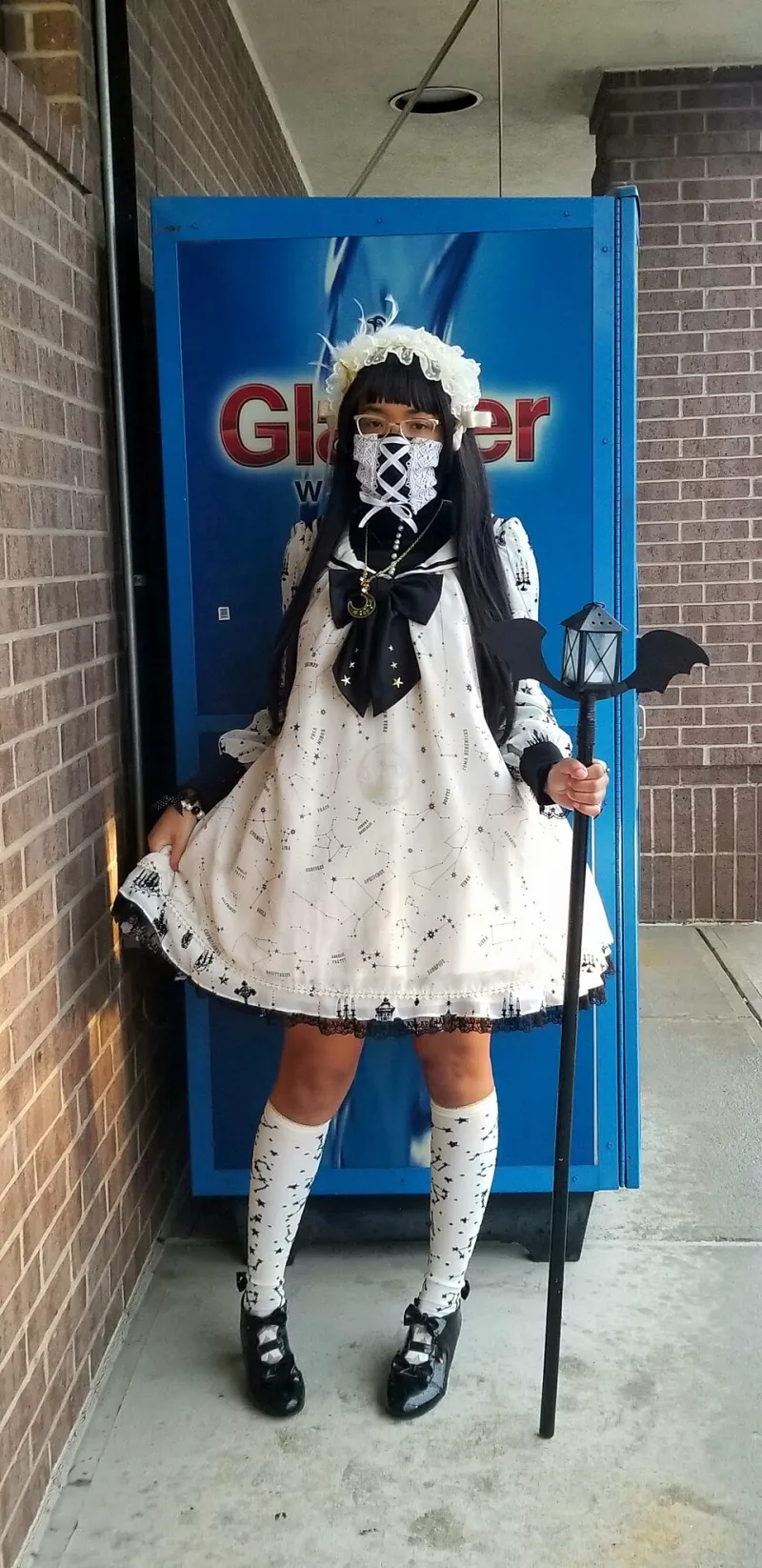
Photo: Toastchan, CC BY-SA 4.0, via Wikimedia Commons
Let's be honest: nobody warned us that loving alternative fashion would come with a side of workplace anxiety. You spent years building a wardrobe that genuinely reflects who you are, and then suddenly there's a dress code handbook sitting on your desk with words like "business professional" and "neutral tones." The good news? Plenty of goth loli enthusiasts across the US are already navigating this tension — and doing it with serious style.
This isn't about hiding who you are. It's about learning the language of strategic self-expression.
Know Your Industry Before You Know Your Outfit
Not all workplaces are created equal, and that matters enormously when you're figuring out how far you can push your aesthetic. A tech startup in Austin operates by completely different unspoken rules than a law firm in Chicago. Creative industries — think advertising agencies, publishing houses, graphic design studios, and anything adjacent to the arts — tend to have far more flexibility. Even within stricter environments, the rules often have more give than the employee handbook suggests.
Marcellina D., a UX designer at a mid-sized firm in Portland, Oregon, puts it simply: "I read the room before I read the dress code. My manager has a band tattoo and wears vintage flannels. That told me more than any policy document."
Start by observing what your colleagues actually wear versus what the handbook technically requires. Then identify your personal non-negotiables — the pieces or details that feel most essential to your identity — and build your strategy around protecting those.
The Power of the Statement Accessory
If there's one universal truth in goth loli workplace dressing, it's this: accessories do the heavy lifting. A sleek black blazer over a white blouse reads as completely standard corporate attire. Add a cameo brooch at the collar, a delicate black lace hair ribbon, and a pair of Victorian-inspired stud earrings, and suddenly that outfit is whispering something entirely different — without screaming it.
The goth loli aesthetic has always celebrated intricate detail, and that translates beautifully into jewelry. Look for:
- Cameos and portrait lockets — antique or antique-style pieces that read as "classic" to outsiders but feel deeply personal to you
- Delicate cross or crescent moon pendants — subtle enough to pass as general jewelry, meaningful enough to matter
- Black pearl or jet bead earrings — elegant, understated, and absolutely gothic in the best way
- Ornate rings — stacked or singular, a carefully chosen ring collection can express your entire personality without touching your outfit at all
Thrift stores and estate sales across the US are genuinely goldmines for this kind of piece. Etsy sellers specializing in Victorian reproduction jewelry are another reliable source that won't wreck your budget.
Building Your "Professional Capsule" Wardrobe
The smartest move you can make is developing a small, intentional collection of pieces that bridge your aesthetic and your workplace requirements. Think of it less as a compromise and more as a specific sub-genre within your larger wardrobe — like how gothic lolita and classic lolita are distinct but related.
Key items worth investing in:
Dark, structured dresses with modest necklines. A well-tailored midi dress in black, deep navy, or burgundy hits the professional mark while staying true to the darker palette goth loli favors. Look for subtle details — a lace-trimmed hem, a slightly puffed sleeve, a velvet texture — that add character without crossing into costume territory.
A quality black blazer. This is your Swiss Army knife. It tones down anything that might read as "too much" while adding polish. Bonus: a blazer with interesting lining (think dark floral or brocade fabric) gives you a private little thrill every time you take it off.
Blouses with interesting collars. Peter Pan collars, high Victorian necklines, and subtle ruffle details are all things that exist in mainstream fashion — which means they can fly under the radar in most workplaces while still scratching that goth loli itch.
Dark hosiery. Sheer black tights or opaque stockings are so normalized in professional settings that most people won't think twice, but they do a lot of aesthetic work.
Remote Work Changed Everything (Use That)
If you're working from home even part of the time, you have a freedom that shouldn't be underestimated. The camera frame is your stage, and you get to curate every inch of it.
Jamie T., a content strategist based in Nashville who works fully remote, describes her setup as "my daily excuse to actually wear my wardrobe." She keeps a collection of statement blouses and accessories specifically for video calls, pairing them with whatever's comfortable below the frame. "Nobody knows I'm wearing sweatpants under a genuine lace collar blouse. It's the best of both worlds."
Your home office background is also an opportunity. A thoughtfully arranged bookshelf, a dark floral print, or even a simple black curtain communicates your aesthetic sensibility in a way that feels personal rather than unprofessional.
Handling the Comments (Because They Will Come)
Even in relatively accepting workplaces, someone will say something. The classic "oh, are you going somewhere special after work?" or the slightly less charming "that's... interesting" are practically rites of passage.
The most effective response is confidence paired with brevity. You don't owe anyone an explanation of the history of Harajuku fashion or a defense of your personal style. A warm, unbothered "I just really love this aesthetic" followed by a subject change is genuinely disarming. People are far less likely to press when you're clearly not embarrassed.
Building genuine workplace relationships also helps. When people know and like you as a person first, your style becomes just another interesting thing about you rather than a point of confusion or concern.
The Long Game
Here's the thing nobody tells you when you're just starting out: workplaces tend to adapt to consistent, confident self-expression over time. What raises eyebrows in your first month often becomes simply "how you dress" by month six. The colleagues who seemed uncertain often become the ones pointing you out proudly to new hires as "the one with the amazing style."
You don't have to choose between your career and your aesthetic. You just have to be strategic, patient, and utterly unapologetic about the fact that you exist in both worlds at once.