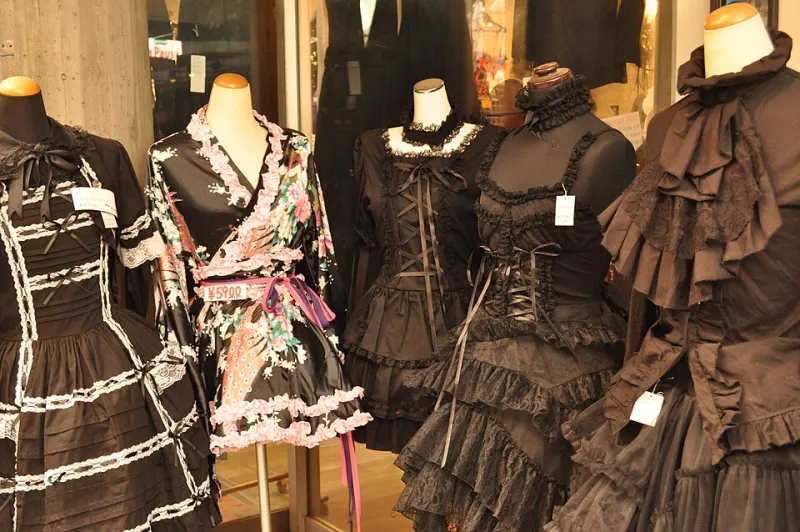
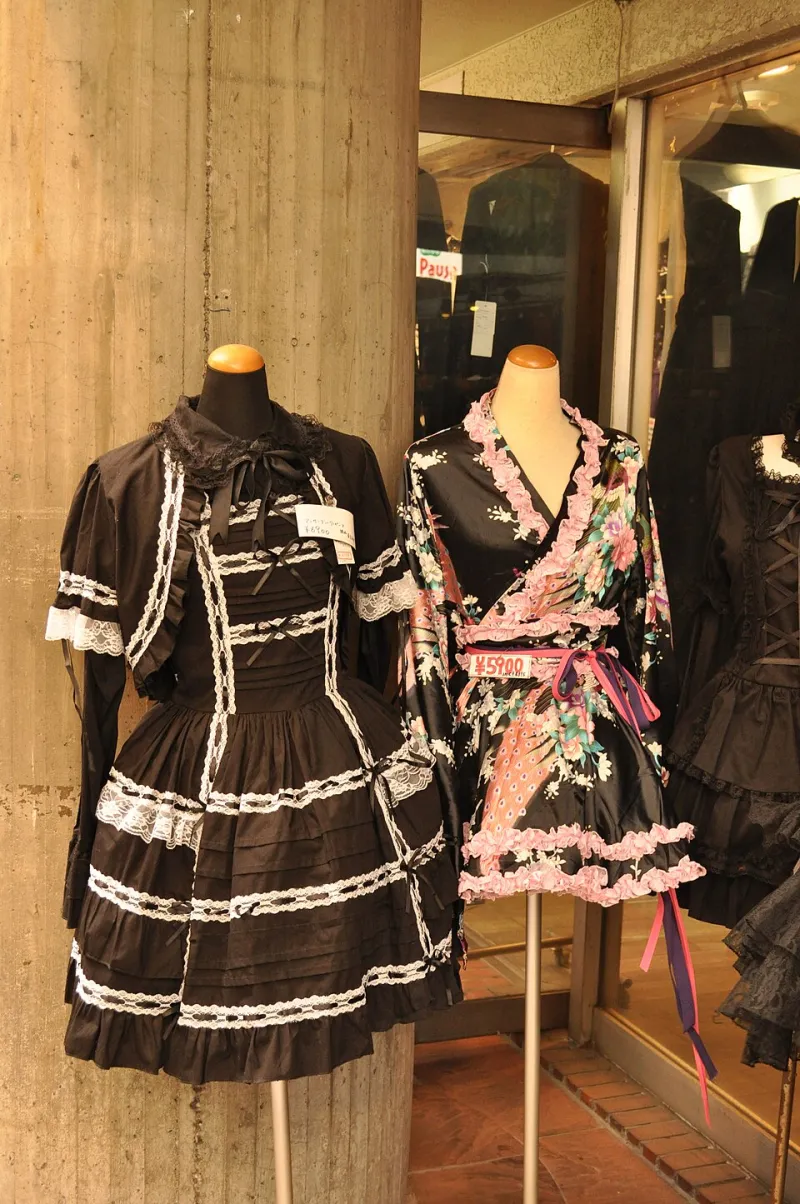
Gather Your Frills: Why Goth Loli Conventions Are Rewriting What Inclusive Fashion Spaces Look Like
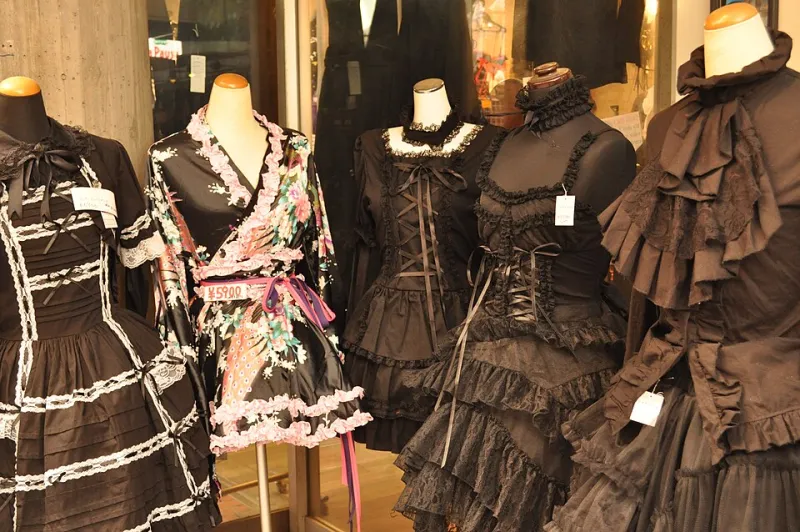
Photo: Ocdp, CC0, via Wikimedia Commons
There's a moment that happens at almost every goth loli convention in America. Someone walks through the front door in a full coord they've been building for months — maybe years — and a stranger immediately crosses the room just to compliment their bonnet trim. No side-eyes. No "what are you supposed to be?" Just genuine, enthusiastic recognition from someone who gets it.
That moment, repeated hundreds of times over a weekend, is basically the entire thesis of what these events have become.
Gothic lolita conventions in the US have quietly transformed over the last decade. What started as small regional meetups — a handful of people gathering in a hotel lobby or a local tea room — has grown into something much bigger and more intentional. Events like Rufflecon (which ran out of Connecticut and became a beloved institution before its hiatus), the lolita-focused programming at larger alt-fashion expos, and a new wave of community-organized regional cons are drawing hundreds of attendees from across the country. And the culture inside those spaces? It's doing something mainstream fashion still hasn't quite figured out.
From Underground to Unmissable
For a long time, goth loli gatherings in the US existed almost entirely by word of mouth. Facebook groups, LiveJournal threads, and later Discord servers were where you found out about a park meetup or a tea party hosted in someone's city. The barrier to entry was knowing the right people — or being lucky enough to stumble into the right corner of the internet.
That's shifted significantly. Regional communities in cities like Los Angeles, Chicago, New York, and Atlanta have started hosting more formalized events, complete with panels, fashion shows, vendor halls, and structured programming. The Lolita Collective, a community organizing group active in several US cities, has been instrumental in bringing a more event-production mindset to what used to be purely grassroots gatherings.
"We realized pretty early on that if we wanted people to feel like this was their space, we had to actually build it that way," says one organizer from the Chicago scene who helps coordinate an annual Midwest gathering. "That means thinking about accessibility, thinking about who's represented on stage, thinking about whether a newcomer who shows up alone is going to feel welcomed or overwhelmed."
That intentionality is visible in the programming. Modern goth loli cons regularly feature panels on styling for different body types, discussions about the fashion's Japanese origins and how Western communities can engage with it respectfully, workshops on sewing and coord-building on a budget, and open forums where attendees can talk about their experiences in the subculture. It's educational and celebratory at the same time.
The Diversity Factor (And Why It Actually Lands Here)
Mainstream fashion events — think runway shows, brand pop-ups, even a lot of streetwear conventions — tend to center a pretty narrow vision of who fashion is for. Goth loli spaces have, somewhat organically, ended up doing the opposite.
Part of that is structural. The subculture itself is built around the idea that dressing elaborately and expressively is a form of personal power, not a performance for anyone else's approval. When that ethos becomes the organizing principle of a physical space, it tends to attract people who've felt excluded elsewhere — and it tends to make them feel genuinely at home.
Attendees at US goth loli events consistently describe a level of body diversity, racial diversity, gender diversity, and neurodiversity that surprises people who are new to the community. "I went to my first con expecting it to be very... I don't know, gatekeep-y," says Maya, a 26-year-old attendee from Atlanta who found the subculture through TikTok. "Instead I watched a nonbinary person in a gorgeous classic coord win a fashion show and everyone went absolutely feral for them. It was the first fashion event I'd ever been to where I cried happy tears."
Organizers are increasingly deliberate about this. Vendor selection at many events now prioritizes indie brands that make extended sizing. Fashion show judging criteria explicitly include handmade and thrifted coords alongside brand pieces. Some events have added quiet rooms and sensory accommodations after community feedback made it clear that neurodivergent attendees were a significant part of the audience.
Regional Flavor, National Heart
One of the genuinely cool things about the current US goth loli convention scene is how much regional personality each event carries. A gathering in New Orleans is going to feel different from one in Portland or one in Dallas — and that's a feature, not a bug.
Southern events often lean into Gothic Lolita's darker, more theatrical aesthetics, with a nod to the region's own rich history of ornate, dramatic fashion. West Coast cons tend to skew more experimental, with crossover between goth loli and other alt-fashion subcultures like fairy kei or decora. Midwest gatherings often have a particularly strong handmade and DIY culture, reflecting communities where imported Japanese brand pieces are harder to access.
What ties them together is something harder to quantify — a shared commitment to the idea that fashion can be a form of community building rather than competition.
What Mainstream Fashion Could Learn
Let's be real for a second: the broader fashion industry has been talking about inclusivity for years and still manages to make a lot of people feel like they don't belong. Goth loli conventions aren't perfect — the community has its own ongoing conversations about elitism, brand worship, and cultural sensitivity — but the baseline culture at these events is genuinely different.
When your entire aesthetic philosophy centers on dressing in a way that defies mainstream expectations, it becomes a lot harder to turn around and police how someone else is doing it. The rebellious spirit that defines goth loli fashion doesn't really have room for gatekeeping without becoming deeply hypocritical.
That's a lesson that translates beyond the petticoats and the platform shoes. Building spaces where people feel seen requires actively designing them that way — in the programming, in the vendor choices, in the way staff and volunteers are trained to welcome newcomers.
Goth loli conventions in the US are doing that work, one ruffle at a time. And honestly? The rest of the fashion world should probably be taking notes.
Know of a goth loli event happening in your region? Drop it in the comments — we're building a community events calendar and want to make sure your local scene gets the spotlight it deserves.