Beyond the Bell Skirt: The Behind-the-Scenes Essentials That Actually Make This Lifestyle Work
Let's be honest. The goth loli internet is absolutely saturated with dress hauls, coord breakdowns, and brand reviews. And look — we love all of that. That content is genuinely useful. But there's an entire ecosystem of non-fashion items that serious enthusiasts rely on every single day, and almost nobody talks about them.
This isn't a post about the perfect JSK or which brand's lace holds up better after washing. This is about the stuff that lives in your closet, on your desk, and inside your tote bag — the practical, sometimes boring, occasionally genius purchases that make living this lifestyle actually possible without burning out or letting your wardrobe fall apart.
If you've been in the community for more than a year, you probably already know some of this through hard experience. If you're newer, consider this the starter guide nobody handed you at orientation.
Garment Storage That Actually Respects Your Investment
Here's the thing nobody tells you when you spend $300 on your first brand piece: fabric is fragile, and your average IKEA wardrobe situation is not going to cut it long-term.
Serious goth loli wardrobes need serious storage. That means padded, wide-shoulder hangers — the flimsy wire ones from the dry cleaner will distort your bodices over time. It means breathable garment bags for pieces you're not rotating frequently, especially anything with delicate embroidery or lace trim. Cedar blocks or lavender sachets are genuinely worth it for keeping moths out of your precious wool blends.
For accessories — rings, hair clips, headdresses, brooches — a tiered jewelry organizer with clear compartments is a game changer. You stop losing things, you stop untangling chains at 7am, and you can actually see your full collection at a glance. The Container Store and Amazon both have solid options in the $20–$50 range that won't eat your budget alive.
Petticoat storage is its own category. The best method most people eventually land on: hanging them from a dedicated hook or rod with the waistband clipped to a skirt hanger, so the volume stays intact. Stuffing them into a drawer is how you end up with a sad, flat petticoat that needs 45 minutes of steaming before it's functional again.
Lighting: The Unglamorous Secret Behind Every Great Outfit Photo
Your coords deserve better than the harsh overhead light in your apartment bathroom. Ring lights have become almost cliché at this point, but there's a reason everyone uses them — they work. A decent ring light in the $40–$80 range (Neewer and Lume Cube both have accessible options) will immediately elevate your outfit documentation, whether that's for Instagram, a community forum post, or just your own personal archive.
If you have a little more budget flexibility, a softbox kit gives you more directional control and tends to produce a more editorial, less "influencer selfie" look. That matters if you're going for a moodier, more atmospheric aesthetic in your photos.
Natural light is still king, but you can't schedule your life around golden hour. A reliable artificial setup means you can shoot after work, in the winter, in a basement — whenever the outfit is ready, not whenever the sun cooperates.
A simple white foam board from a craft store ($3 at Michaels) used as a bounce reflector can fill in harsh shadows without any additional gear. It's the kind of micro-hack that sounds too basic to matter until you try it.
A Sewing Kit That's Actually Stocked
Every goth loli person eventually has a garment emergency. A popped hook-and-eye closure. A hem that gives up mid-event. A lace trim that decides today is its last day on earth. The difference between a recoverable situation and a ruined coordinate is whether you have the right tools within reach.
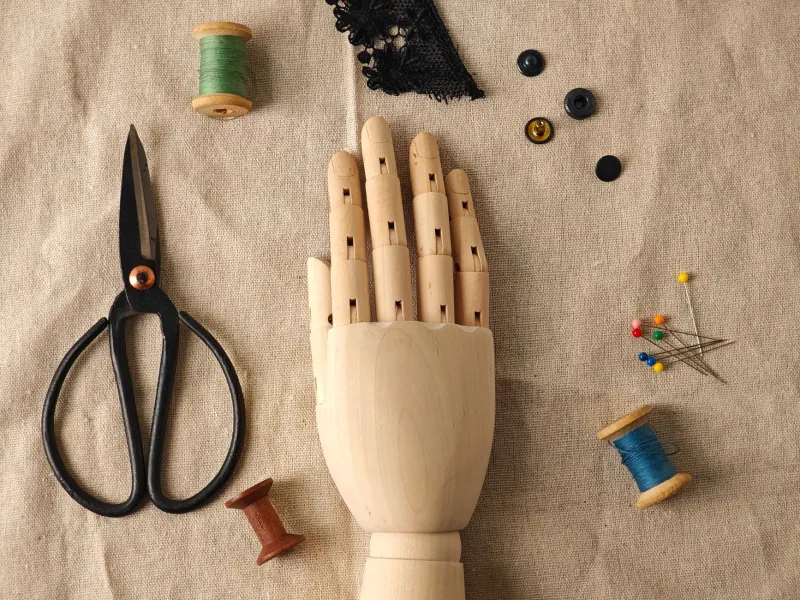
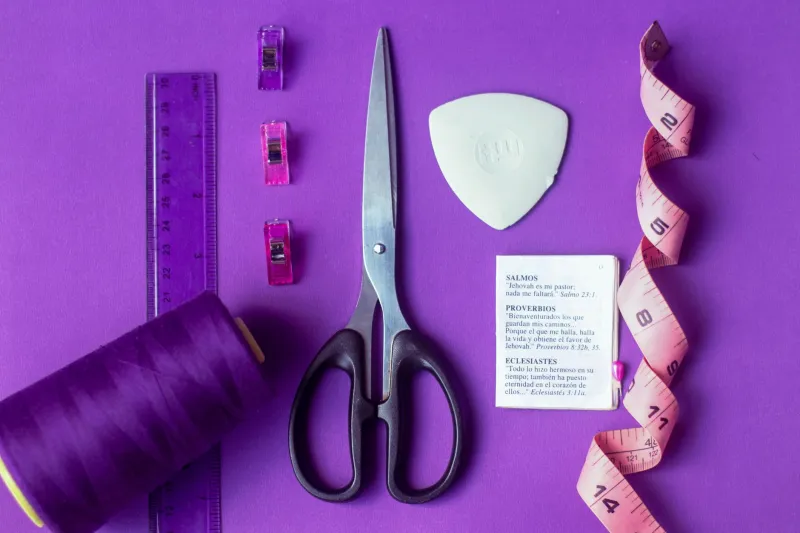
A proper sewing kit for this community goes beyond the little travel tin your grandma gave you. You want: multiple thread colors including black, white, ivory, and at least one or two pastels; a seam ripper (essential for alterations and repairs); fabric glue for non-structural fixes; a few sizes of hand-sewing needles; and a small supply of replacement hooks, snaps, and buttons in both black and white.
For anyone who's gotten into minor alterations or customization — even just hemming or taking in a waist — a basic sewing machine is one of the highest-ROI purchases in this hobby. A beginner-friendly Brother machine runs $100–$150 and pays for itself the first time you resize a secondhand piece instead of passing on it.
Digital Organization: The System You Actually Need
This one gets overlooked because it's not a physical object you can hold, but hear us out. A solid digital organization system for your wardrobe and wishlist is legitimately life-changing.
Apps like Stylebook or even a well-maintained spreadsheet (Google Sheets is free, incredibly functional, and underrated) let you catalog what you own, track what you've spent, identify gaps in your wardrobe, and plan coords without physically pulling everything out of storage. When you're shopping secondhand on Mercari or LaceMarket, having a clear record of what you already own prevents duplicate purchases — which, if you've been doing this for a while, you know is a real hazard.
A Pinterest board or a dedicated folder in your phone's camera roll for inspiration and coord references is also worth maintaining intentionally rather than letting it become a chaotic dump of screenshots. Organization sounds boring. The peace of mind it produces is not.
Garment Care Supplies Worth Buying
Delicate wash detergent — specifically something designed for silk, wool, and lace — is non-negotiable. Woolite Delicates is widely available and gets the job done. The Laundress makes a version that feels a little more luxurious if you want to treat yourself.
A fabric steamer is genuinely more useful than an iron for most goth loli pieces. It's faster, gentler on delicate fabrics, and doesn't require an ironing board setup. Conair and Rowenta both make handheld versions in the $30–$60 range.
Mesh laundry bags for anything that goes into the washing machine. Non-negotiable. Your lace will thank you.
The Real Starter Pack
Nobody walks into this community and immediately buys a steamer and a garment storage system. You buy the dress first, obviously. But after a few months — after the first wardrobe disaster, after the first blurry outfit photo, after the first time you can't find a specific brooch for twenty minutes — you start building the infrastructure.
The goth loli lifestyle is genuinely one of the most high-maintenance aesthetics out there. That's part of its magic. But sustainability in this hobby isn't just about ethical shopping or budget planning. It's about having the right systems in place so that the maintenance doesn't become the thing that burns you out.
Invest in the infrastructure. Your coords — and your sanity — will be better for it.